


Back in 2014 I rolled into Ushuaia for the first time, with Joel Bigode. We had ridden a brutal Patagonia leg — no decent roadbook, eating cold empanadas, sleeping wherever we could. The yellow Fin del Mundo sign was there, smaller than I had pictured. I stopped, smiled, cried. No pretty photo. Just me, the bike, and the strange feeling of having reached a place that isn’t the end of anything.
This post is about riding to Ushuaia by motorcycle — what you need to know up front, how we do it, what it costs. It’s not about the sign.
Why Ushuaia becomes an obsession for any rider
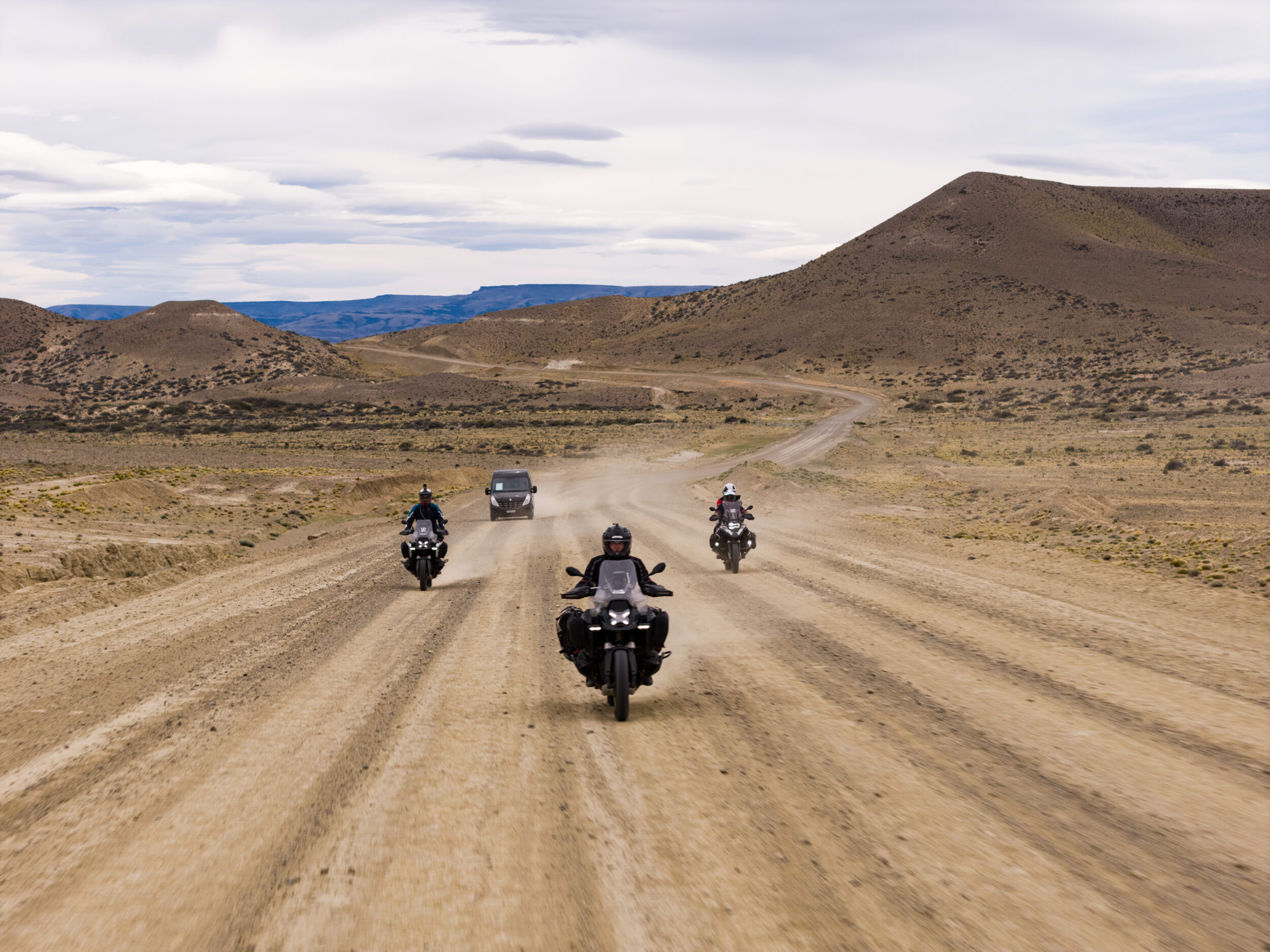
Ushuaia is a small city — around 75,000 inhabitants — squeezed between the Cordillera Fueguina and the Beagle Channel, at the southern tip of Tierra del Fuego. Anyone arriving on two wheels gets there from far away by definition: riding out of southern Brazil, you’re looking at roughly 10,000 km round trip between Urubici and Ushuaia — including the Strait of Magellan ferry crossing and the traverse of the Argentine side of Tierra del Fuego to reach the city.
It’s not the world’s most technical ride — no extreme gravel, no insane altitude. It’s the longest ride in terms of being alone with your own head. Day after day of Patagonian steppe with relentless side wind. It’s the moment a rider finds out what conversation runs in their mind when no one is listening.
That’s why every motorcyclist who knows, wants it. And it’s also why riders who go unprepared come back changed — sometimes for the worse.
Strategic itinerary — how we do it
At UpSerra, the Ushuaia expedition is part of our Ushuaia Fly&Ride tour (BMW motorcycle included — we’ve written about it before) and also shows up as the final leg of larger expeditions — full Patagonia and Fin del Mundo runs with clients who bring their own bikes.
The blocks that matter:
- North-to-south approach — Bariloche → El Calafate → Río Gallegos. Three days of steppe, strong wind, long distances. This is where the rider finds out whether they packed the right gear or not.
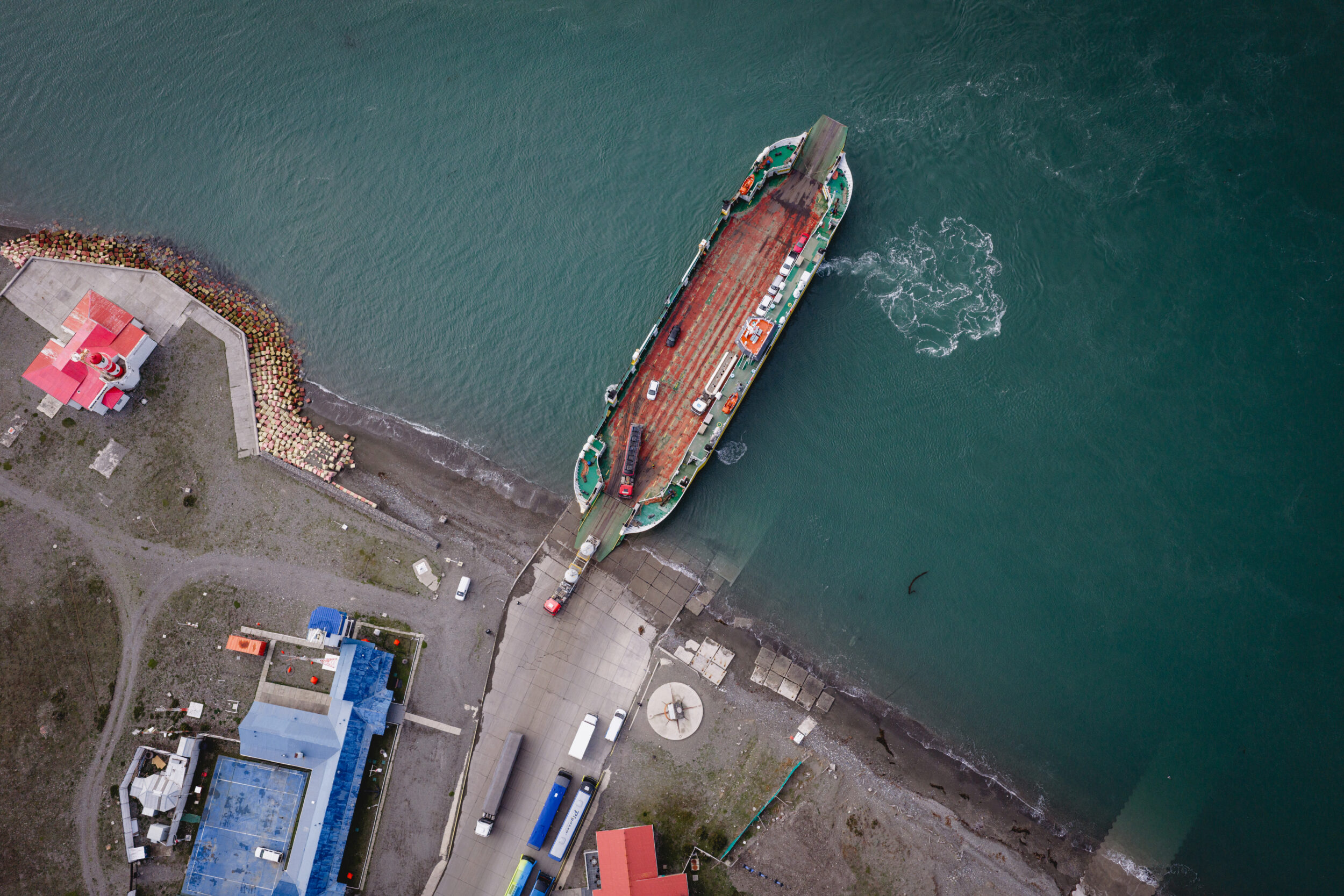
- Tierra del Fuego crossing — ferry at Punta Delgada (Chile). A one-hour crossing that feels like a cosmic intermission. The bike strapped to the deck, us drinking bad coffee staring at the channel.
- Ushuaia itself — arrival, Tierra del Fuego National Park, Martial Glacier, the End of Ruta 3 inside the park (the official sign — not the famous one, the real one), Beagle Channel by boat.
- South-to-north return — here we split: those returning via Ruta 40 enter another world (gravel, isolation, Fitz Roy). Those returning via Ruta 3 push the throttle and sleep in hotels.
For the technical detail of each leg, the Ushuaia Fly&Ride tour page opens the roadbook from the inside.
Costs — going solo vs. riding with UpSerra
This is the section where we’re honest and don’t sell illusions.
Solo, without renting a bike (bringing your own):
- Fuel Brazil → Ushuaia → Brazil: roughly USD 870 to USD 1,150 (BRL 4,500 to 6,000), depending on bike and route.
- 14 nights of lodging: USD 670 to USD 1,540 (BRL 3,500 to 8,000) — hostel vs. decent guesthouse.
- Food: USD 480 to USD 870 (BRL 2,500 to 4,500).
- Ferries, tolls, insurance, paperwork: USD 290 to USD 480 (BRL 1,500 to 2,500).
- Estimated total: around USD 3,850 (BRL 20,000).
- Planning time: 2 to 4 months ahead, you handle everything yourself.
With UpSerra:
On a regular expedition (own bike), the client still brings their motorcycle. We offer the option to rent one of our BMWs for an additional fee. On the Fly&Ride tour, the BMW is included.
The price covers: experienced rider-guide, motorcycle (if Fly&Ride), mechanical support, operational roadbook, pre-selected lodging, group dinners, insurance, paperwork, support vehicle.
What we don’t deliver: 10,000 km of absolute solo freedom. On a guided expedition you ride in a group, respecting stops and timing. That’s a real trade-off, and we say so during the briefing.
Updated pricing, available spots, and dates: WhatsApp +55 (49) 99198-6423.
When to go
Main window: October to March (austral summer). Long days — at peak summer the sun sets close to 10 p.m. Temperatures between 3°C and 18°C. Wind is constant, rain is occasional.
Secondary window (more extreme): April and September. Fewer people, more dramatic scenery, real risk of snow on Tierra del Fuego. For experienced riders and clients who understand what they’re buying.
Avoid: June and July. It might close. It might not. Not worth the spend.
Practical checklist (what I learned across two trips)
- Gear: motorcycle suit with waterproof membrane + thermal base layer + cold-weather gloves + extreme-cold gloves (two pairs). In 2014 I went with one pair and I still carry the cold-bite scar.
- Documentation: international driver’s license, motorcycle insurance with coverage outside Brazil, valid passport (even with Mercosur — for airport contingencies).
- Motorcycle: tires in good condition (on the steppe, bad tires punish you), robust side stand (the wind pushes a parked bike), well-lubricated chain.
- Mental: accept that there will be a bad day. There’s no Ushuaia by motorcycle without a day you think about quitting. Riders who have this conversation in advance arrive happier.
- Photography: bring the camera and keep it on the tank. The shot at the sign happens the moment you arrive — no scheduled time, no romanticization. It’s the record of the moment.
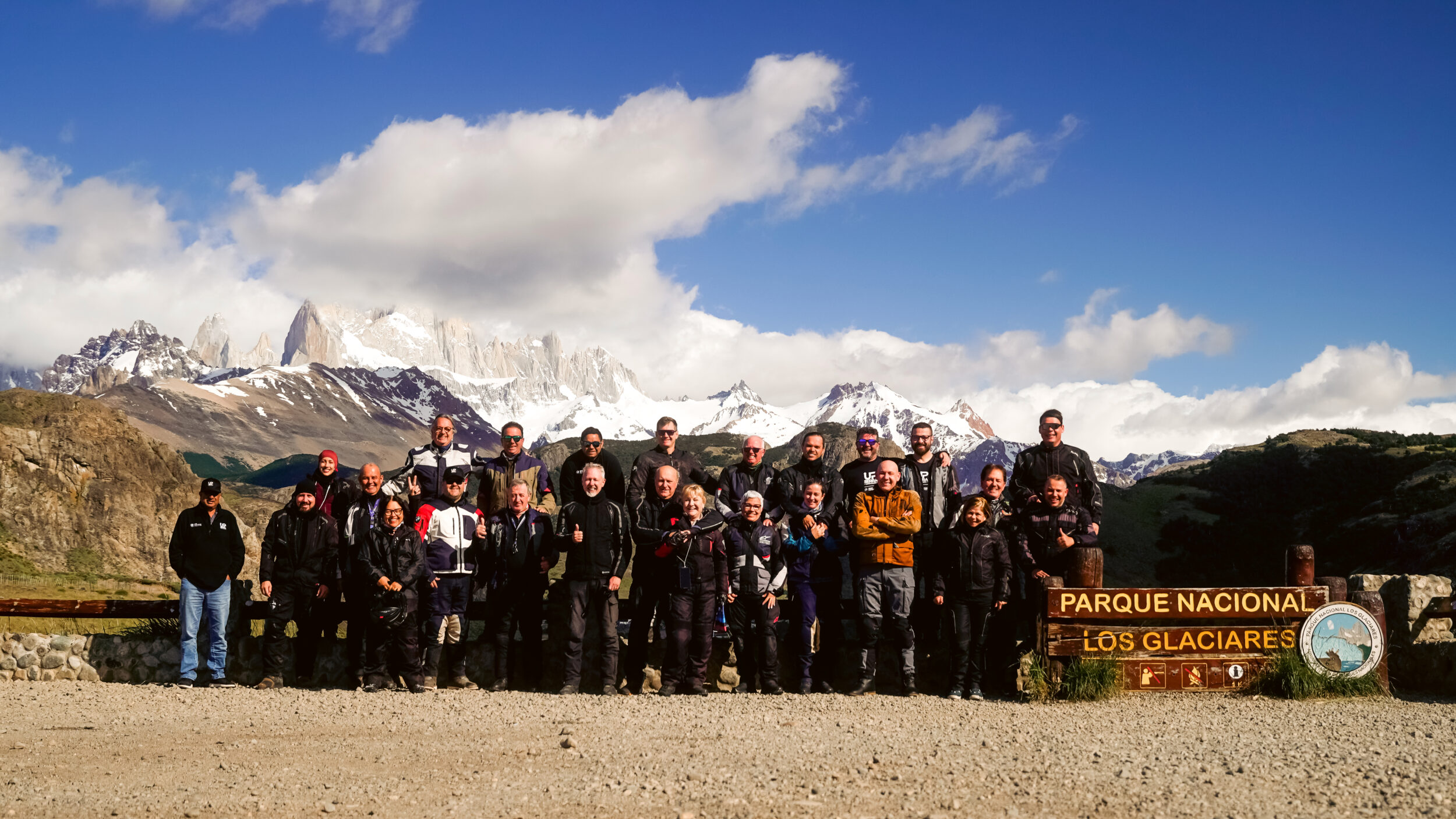
We ride to Ushuaia twice a year — March and November, full expedition. If you want to make this trip with people who have done the round trip more times than they could count, send us a WhatsApp. The conversation continues there: +55 (49) 99198-6423.
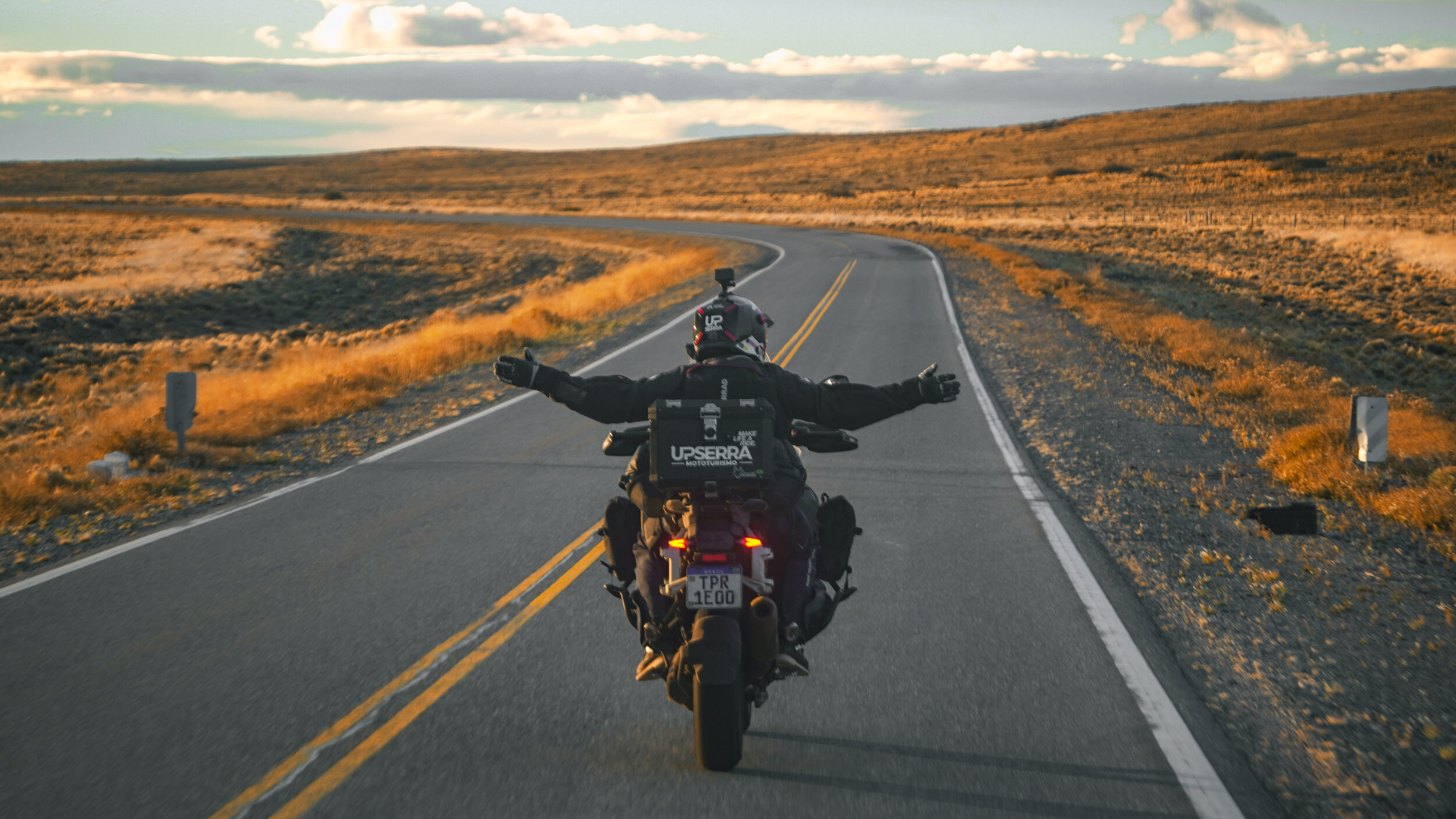
And if you want to see how we translate an expedition like this into an operational roadbook, the Atacama Fly&Ride page is a good map of the UpSerra way.