


BALKANS · SEPTEMBER 2–14, 2028
Balkans Tour 2028 — The Europe That Hasn’t Been Tamed
Grossglockner, Plitvice, Hvar, Dubrovnik, Kotor and Sarajevo in 12 days.
2,929 km crossing 7 countries across Eastern Europe.
The Balkans are the Europe that hasn’t been tamed. You leave Munich through the Austrian Alps, climb the Grossglockner, cross the Predil Pass and reach Italy, where Trieste brings the first view of the Adriatic. Then comes the Croatian coast — one of the most beautiful roads on the continent — passing through Rijeka, Zadar, Šibenik, Hvar (ferry to the island) and Dubrovnik. The way back climbs along the Una River, in Bosnia, up to the Plitvice Lakes. Walled cities, paradise islands, vineyards by the sea.
Twelve days, 2,929 km, crossing seven countries: Germany, Austria, Slovenia, Italy, Croatia, Montenegro and Bosnia. The Balkans deliver what other European tours can’t — the Kotor Serpentine with 25 switchback curves above the fjord, Tara Canyon in Durmitor (the second deepest canyon in the world), historic Sarajevo, the Mostar bridge, the Plitvice lakes. Full UpSerra logistics: 3★/4★ hotels, support vehicle, professional photography.
This is the Europe that changes personality three times in the same trip. You leave the engineered Alps for the laid-back Mediterranean coast, then dive into the Balkan mountains with their layered history of overlapping empires — Austro-Hungarian, Ottoman, Yugoslav. Curve after curve, border after border. Once you’ve done the Balkans, you never look at Europe like a tourist again.
THE BALKANS IN PICTURES
See how last year’s edition went
The Adriatic coast, the Kotor Serpentine and the Balkans in motion. What UpSerra really delivers — not in a slogan, on the road.

More videos on the channel @upserra on YouTube →
THE ROUTE
Munich → Plitvice → Adriatic → Sarajevo → Munich
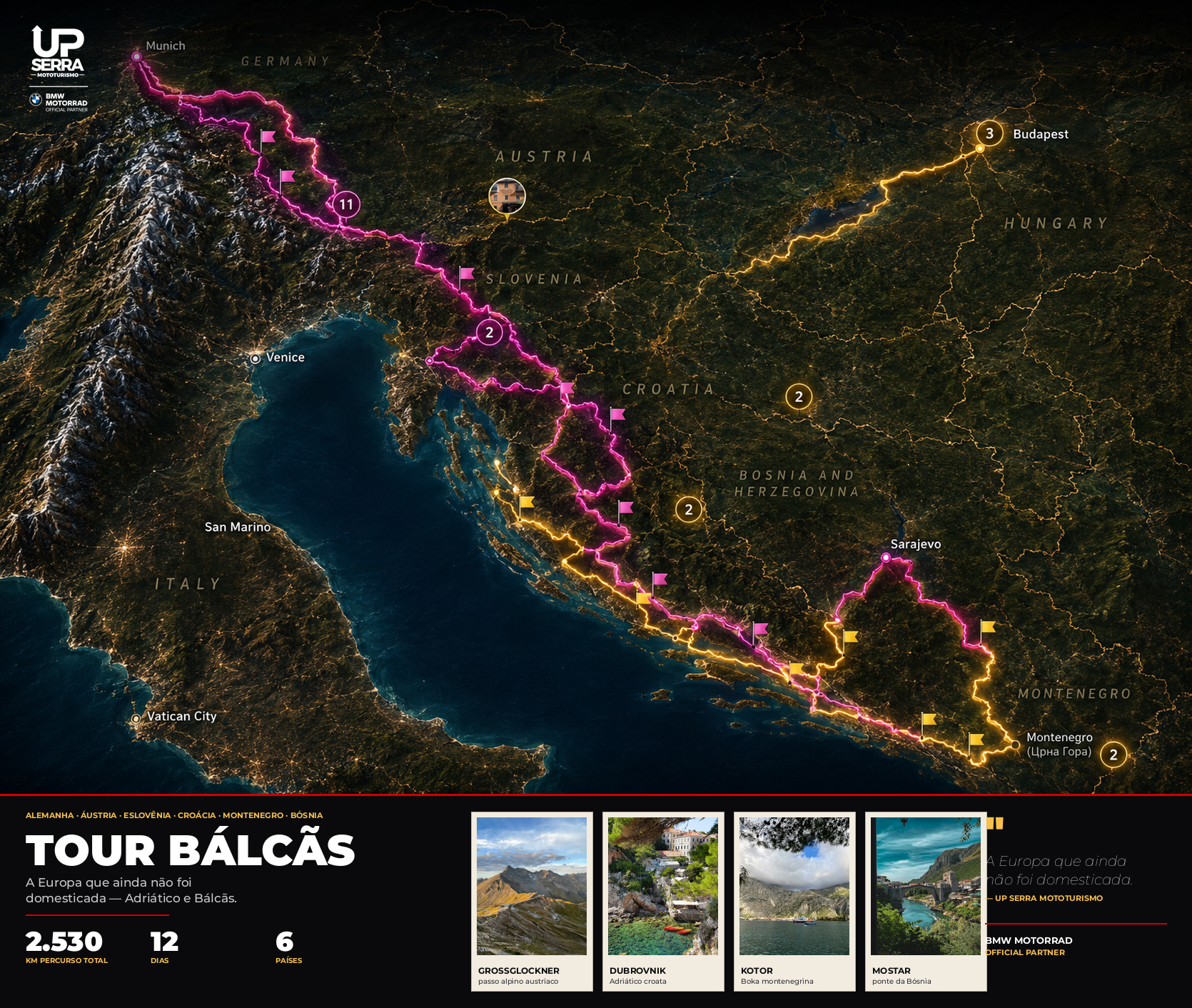
Day-by-day itinerary
MEETING POINT · SAT SEP 2 · MUNICH
Technical bike handover and briefing dinner
Arrival in Munich. In the afternoon, technical handover of the bikes by UpSerra’s partner European rental company — a full check of the bike, gear, documentation, and familiarization with the unit that will be with you for the next 12 days. In the evening, briefing dinner with the team and the group: a review of the day-by-day itinerary, pace, meeting points, tips for crossing borders (intra-EU, Bosnia and Montenegro). First night in Munich.
DAY 01 · SUN SEP 3 · 277 KM · GROSSGLOCKNER
Munich → Lienz (Austria)
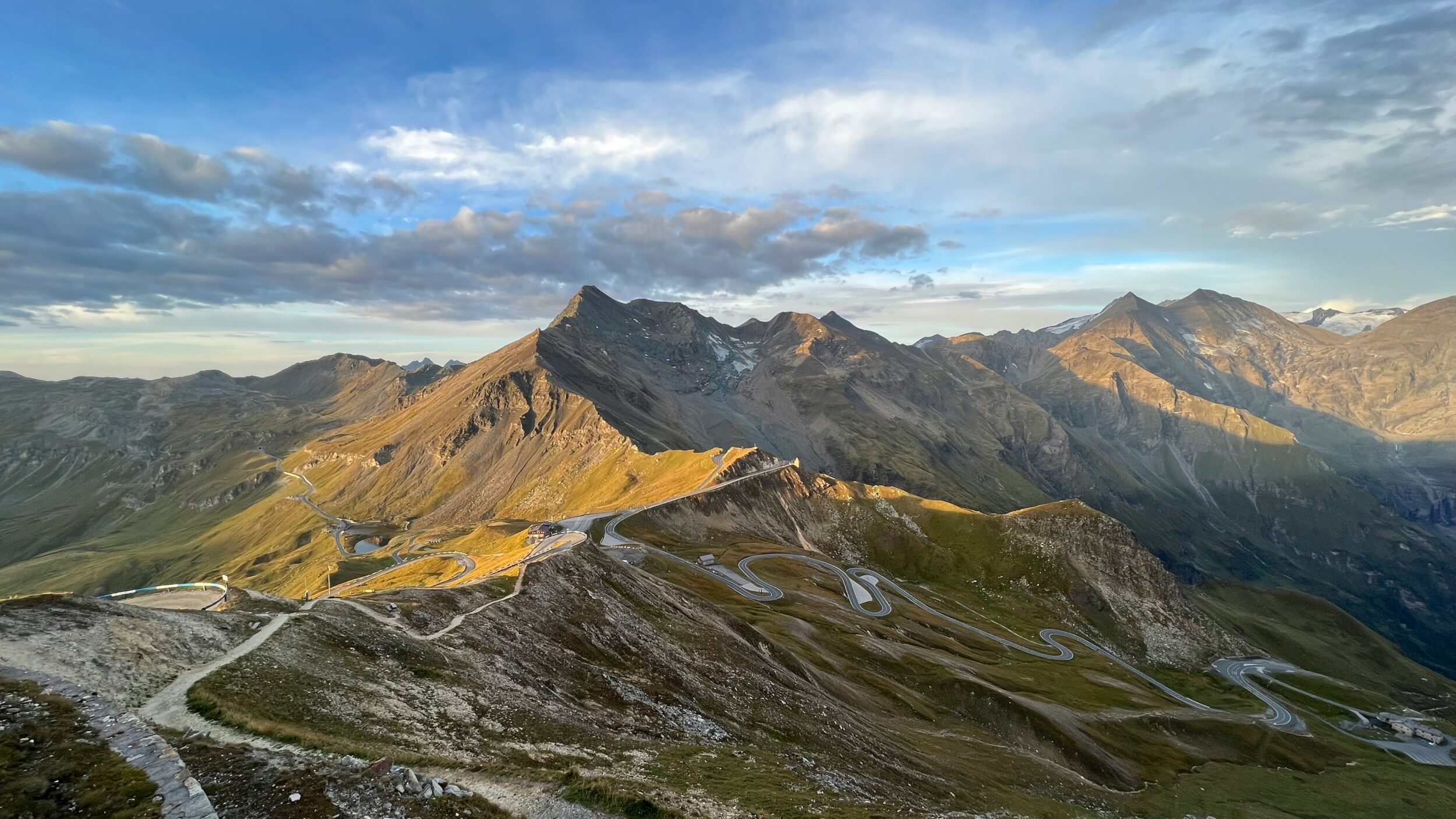
First day, and already the most famous road in the Alps. The Grossglockner High Alpine Road climbs in curves drawn one by one, past viewpoints, tunnels and the glacier that gives its name to Austria’s highest mountain (3,798 m). Descent to Lienz, in the Drava valley, for the first night in alpine territory.
DAY 02 · MON SEP 4 · 262 KM · PREDIL PASS
Lienz → Trieste (Italy)
A day of alpine passes. The route crosses the border via the Predil Pass, between rock walls and high-altitude lakes, crosses the Julian Alps and gradually loses altitude down to the sea. Trieste welcomes the group with the first view of the Adriatic and a historic center of Austro-Hungarian architecture right on the water.
DAY 03 · TUE SEP 5 · 384 KM · CROATIAN COAST
Trieste → Šibenik (Croatia)
The longest day of the first half, and worth every kilometer: the route follows the Croatian coast through Rijeka and Zadar, with the sea always on your right and the Dalmatian islands on the horizon. Arrival in Šibenik, a medieval city home to one of Croatia’s most beautiful cathedrals.
DAY 04 · WED SEP 6 · 150 KM + FERRY · HVAR
Šibenik → Split → Hvar
A short coastal stretch to Split, the city of Diocletian’s Palace, where the bikes board the ferry. Arrival in Hvar changes the rhythm of the trip: stone streets, transparent sea and one of the best cuisines in the Mediterranean.
DAY 05 · THU SEP 7 · HVAR · FREE DAY
Free day in Hvar
No mandatory kilometers. Beaches like Dubovica and Pokonji Dol, the historic center, the fortress above the city, or an optional boat trip around the Pakleni Islands — everyone at their own pace. A day to recharge before the second half, which is the most intense.
DAY 06 · FRI SEP 8 · 213 KM · D8 ROAD
Hvar → Dubrovnik
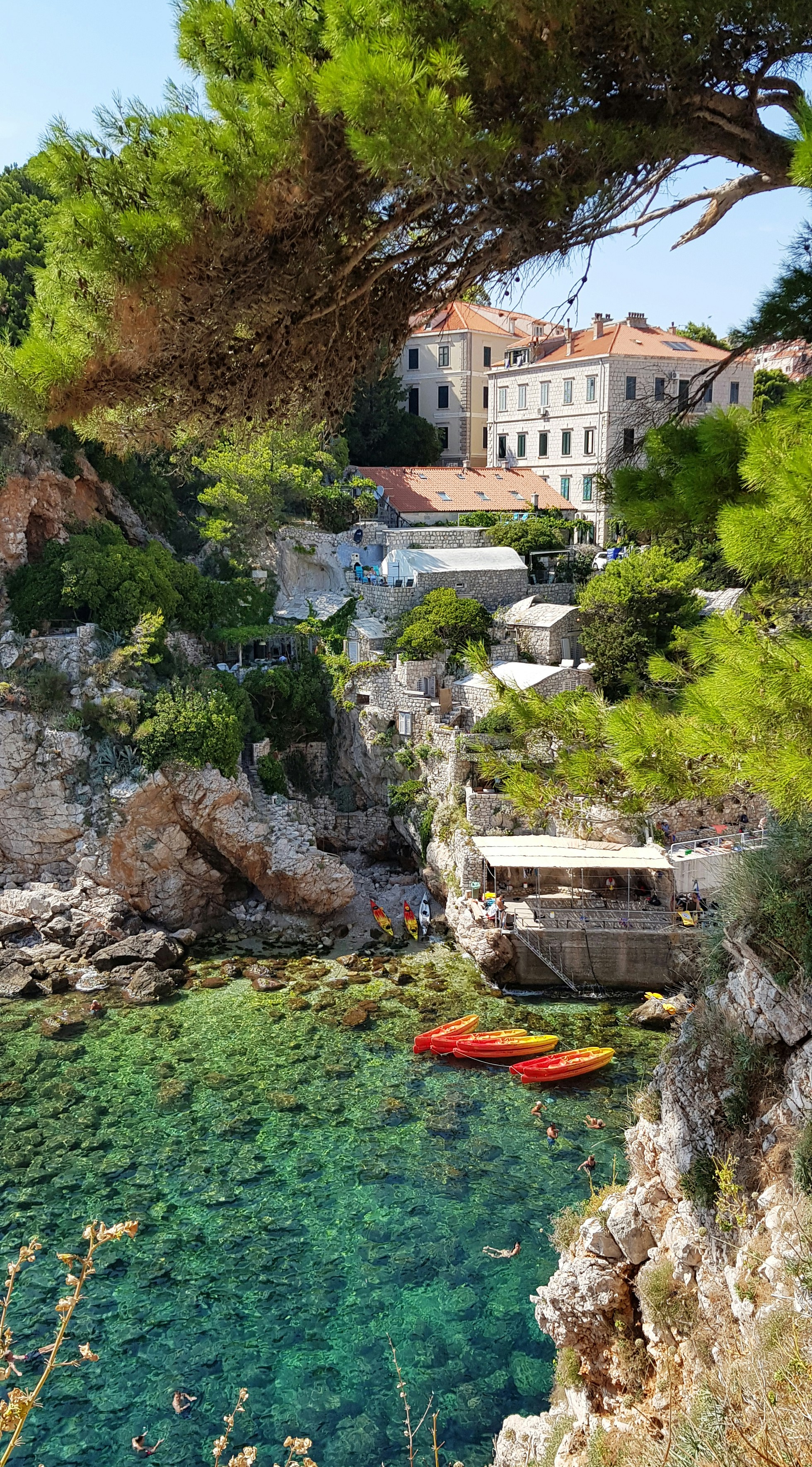
Ferry back to the mainland and one of the most spectacular stretches of the Adriatic Road (D8) — the sea always on your right, islands on the horizon, and the mountains dropping straight into the water. The day ends in Dubrovnik, surrounded by medieval walls (a UNESCO World Heritage Site), with free time to walk along them at sunset.
DAY 07 · SAT SEP 9 · 174 KM · KOTOR SERPENTINE
Dubrovnik → Kotor → Budva (Montenegro)
We cross into Montenegro and the road skirts the Bay of Kotor, Europe’s southernmost fjord and a UNESCO World Heritage Site. A climb up the Kotor Serpentine — 25 switchback curves, with a panoramic view of the bay at every level — before continuing along the coast to Budva, a city surrounded by Venetian walls.
DAY 08 · SUN SEP 10 · 177 KM · DURMITOR
Budva → Žabljak (Durmitor)
The day the trip leaves the sea behind and turns to mountains. The road climbs continuously up to the high plateau of Durmitor National Park, among glacial valleys, forests and high-altitude lakes. Riding completely different from anything that came before.
DAY 09 · MON SEP 11 · 314 KM · TARA + SARAJEVO + MOSTAR
Žabljak → Sarajevo → Mostar (Bosnia)
The longest day in the saddle of the whole trip. It starts at the Tara Canyon, one of the deepest in the world (1,300 m), crosses Bosnia with a stop in Sarajevo for lunch — at the crossroads of Ottoman, Austro-Hungarian and European cultures — and ends in Mostar, in front of the iconic Stari Most Bridge (a UNESCO World Heritage Site), on the banks of the Neretva River.
DAY 10 · TUE SEP 12 · 345 KM · UNA RIVER + BIHAĆ
Mostar → Plitvice (Croatia)
The return begins, but it’s no mere transfer day. The route climbs through the interior of Bosnia following the Una River, one of the country’s most beautiful rivers, passes through Bihać and crosses back into Croatia already within the lakes region. Overnight practically inside the park — so you wake up the next day with Plitvice at your doorstep.
DAY 11 · WED SEP 13 · 202 KM · PLITVICE
Plitvice → Ljubljana (Slovenia)
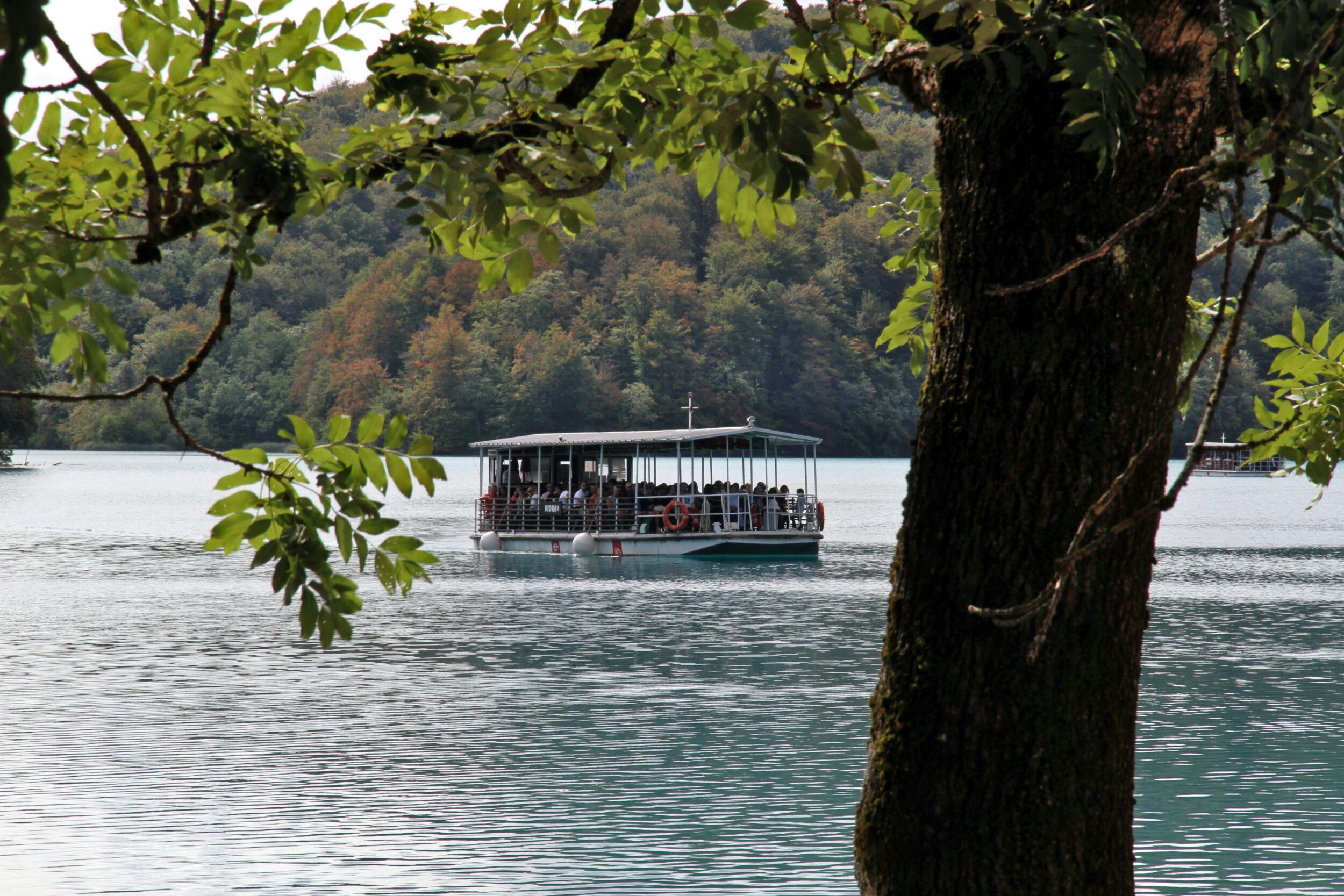
The morning belongs to the lakes. The system of 16 turquoise lakes connected by waterfalls and wooden boardwalks — a UNESCO World Heritage Site and Croatia’s most famous natural landscape. We get in before the tour buses, with morning light and empty trails. In the afternoon, a short, easy stretch to Ljubljana, the Slovenian capital.
DAY 12 · THU SEP 14 · 407 KM · CLOSING
Ljubljana → Munich
Last day, and the longest transfer of the itinerary. The route crosses back over the Alps through Austria, passing near Villach and Salzburg, at highway pace — the right way to close it out, covering distance quickly instead of spending a good day riding home. Arrival in Munich with time for the bike return and one last table together.
EXPEDITION MEMORY
The Balkans in pictures
A few memories from past editions — so you can see what’s waiting for you in September.
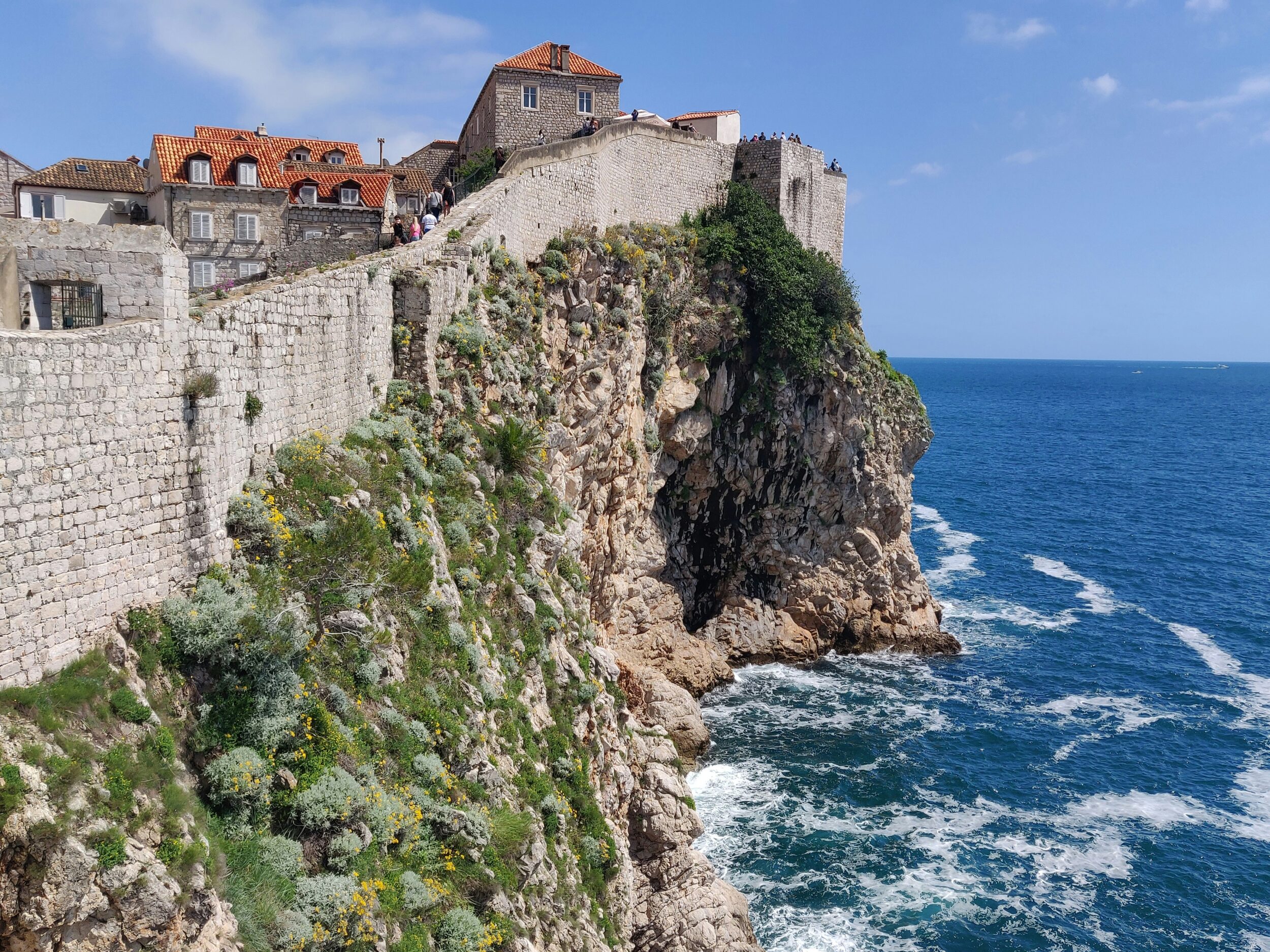
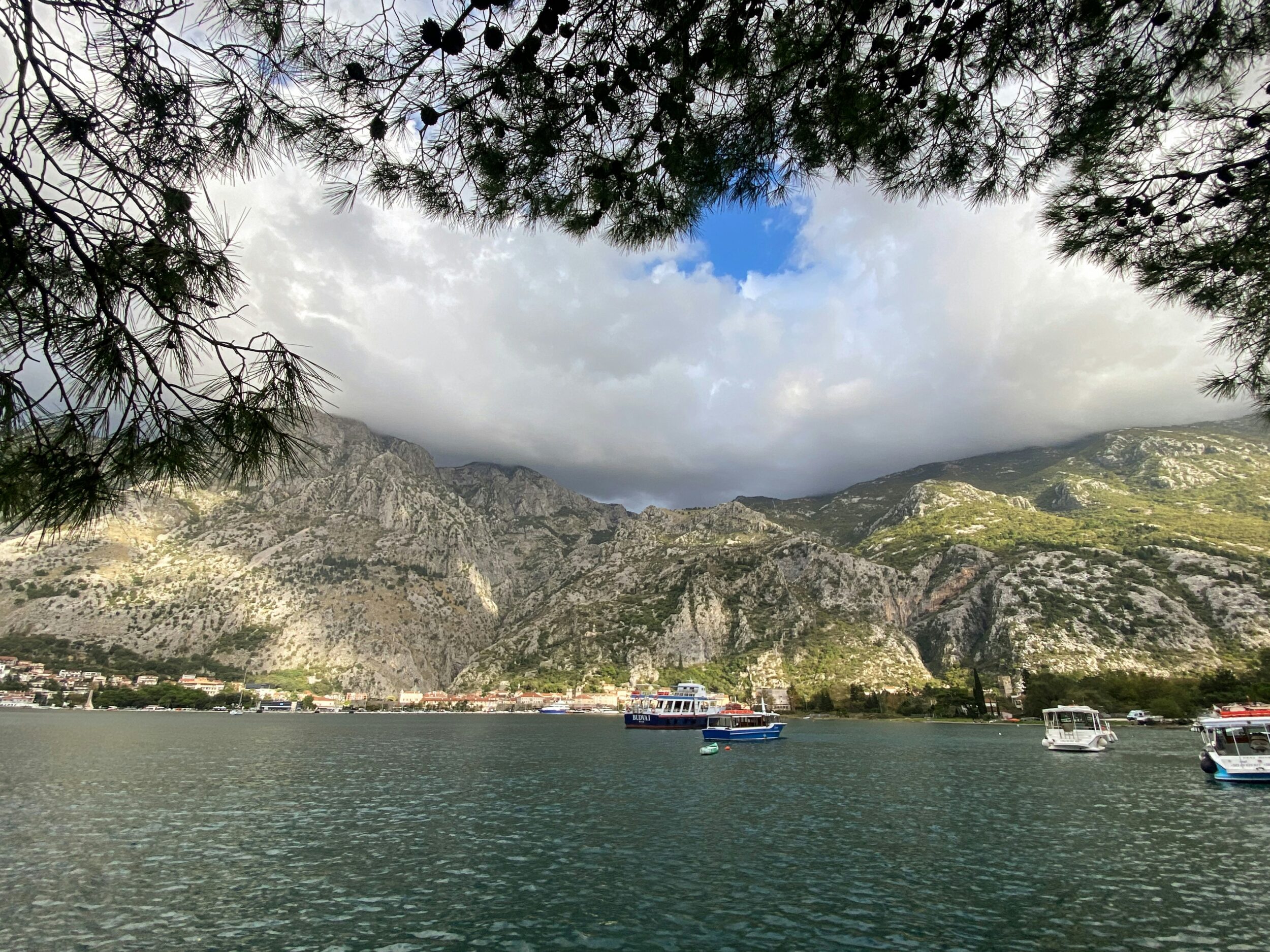
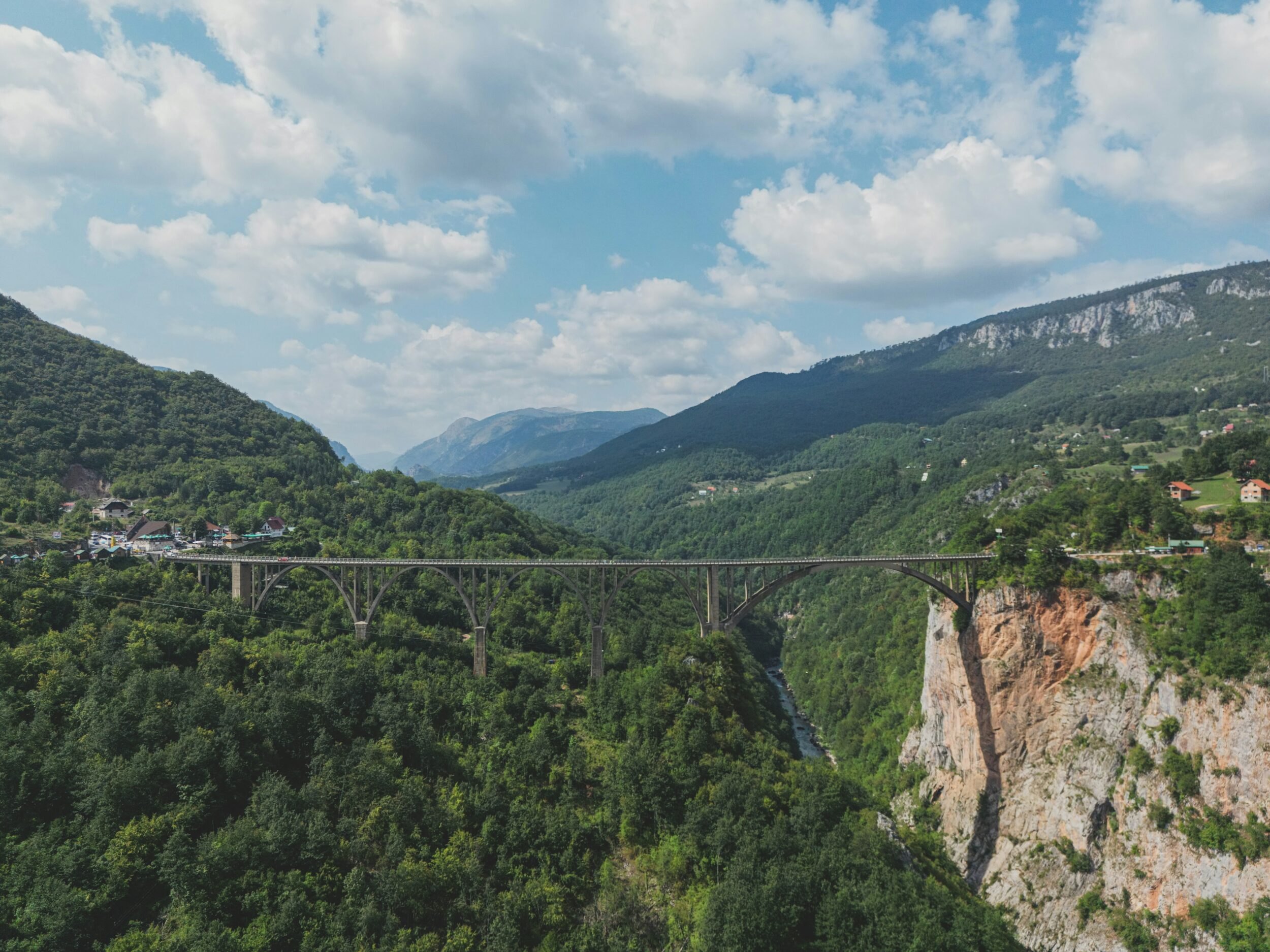
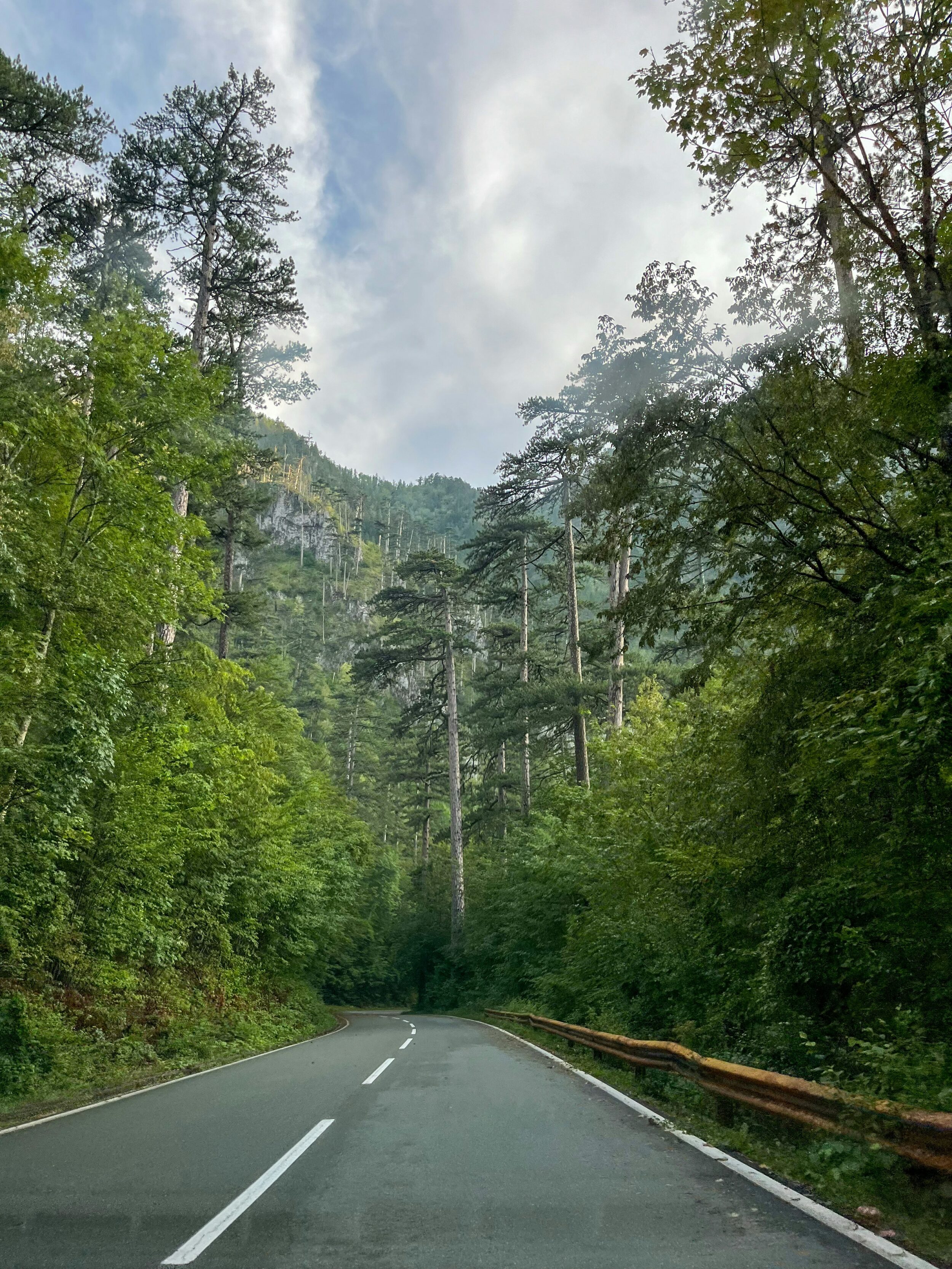
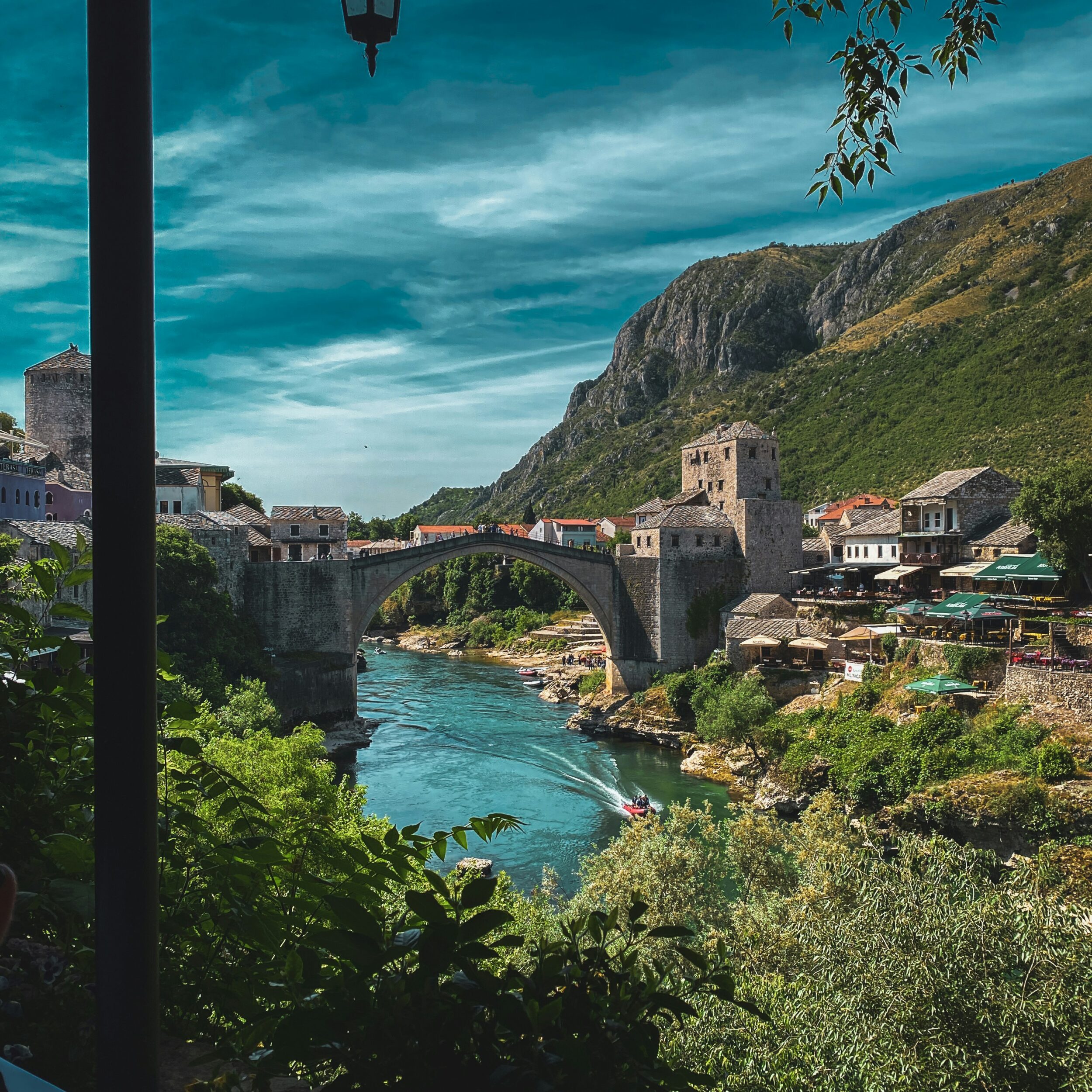
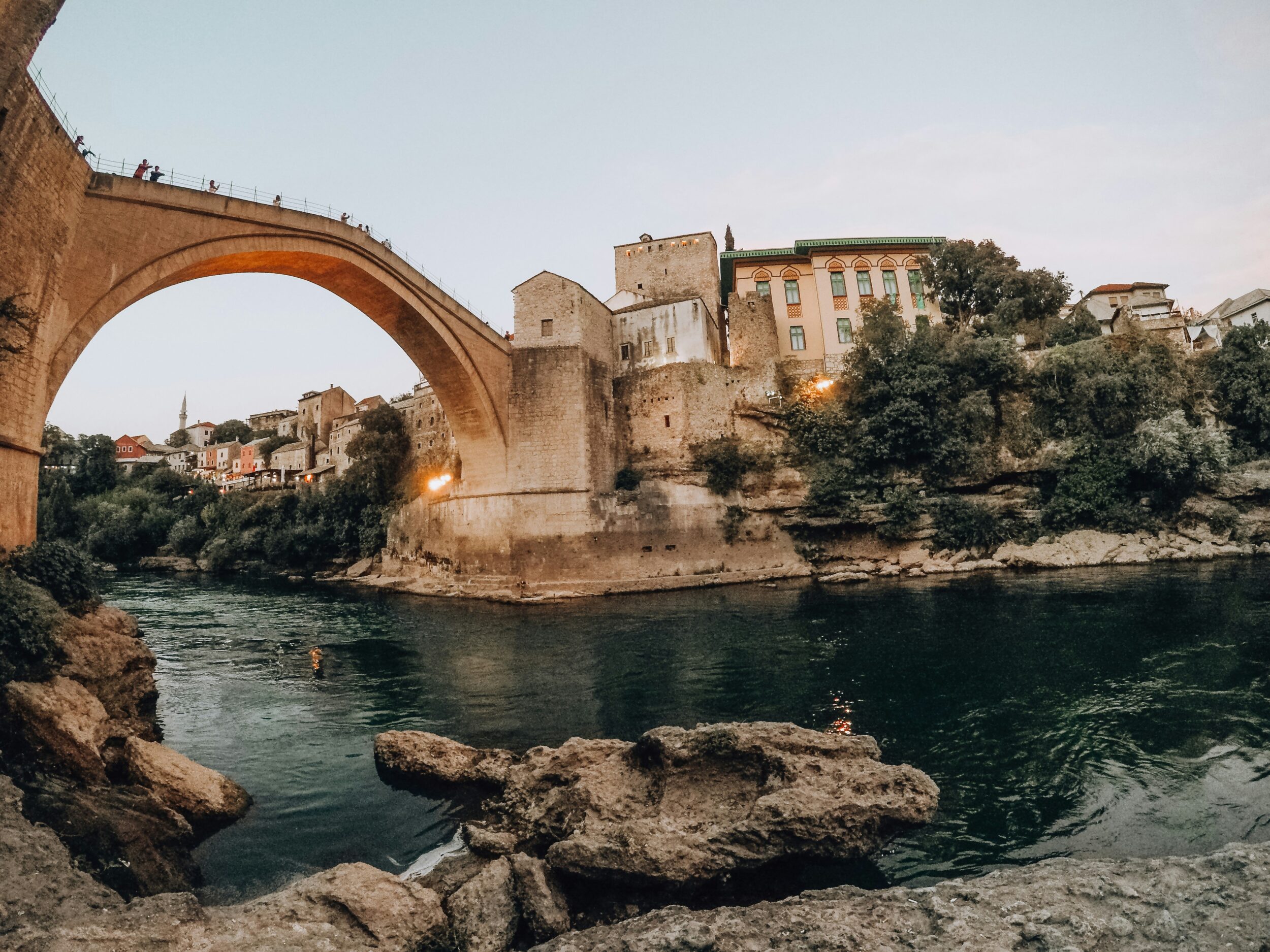
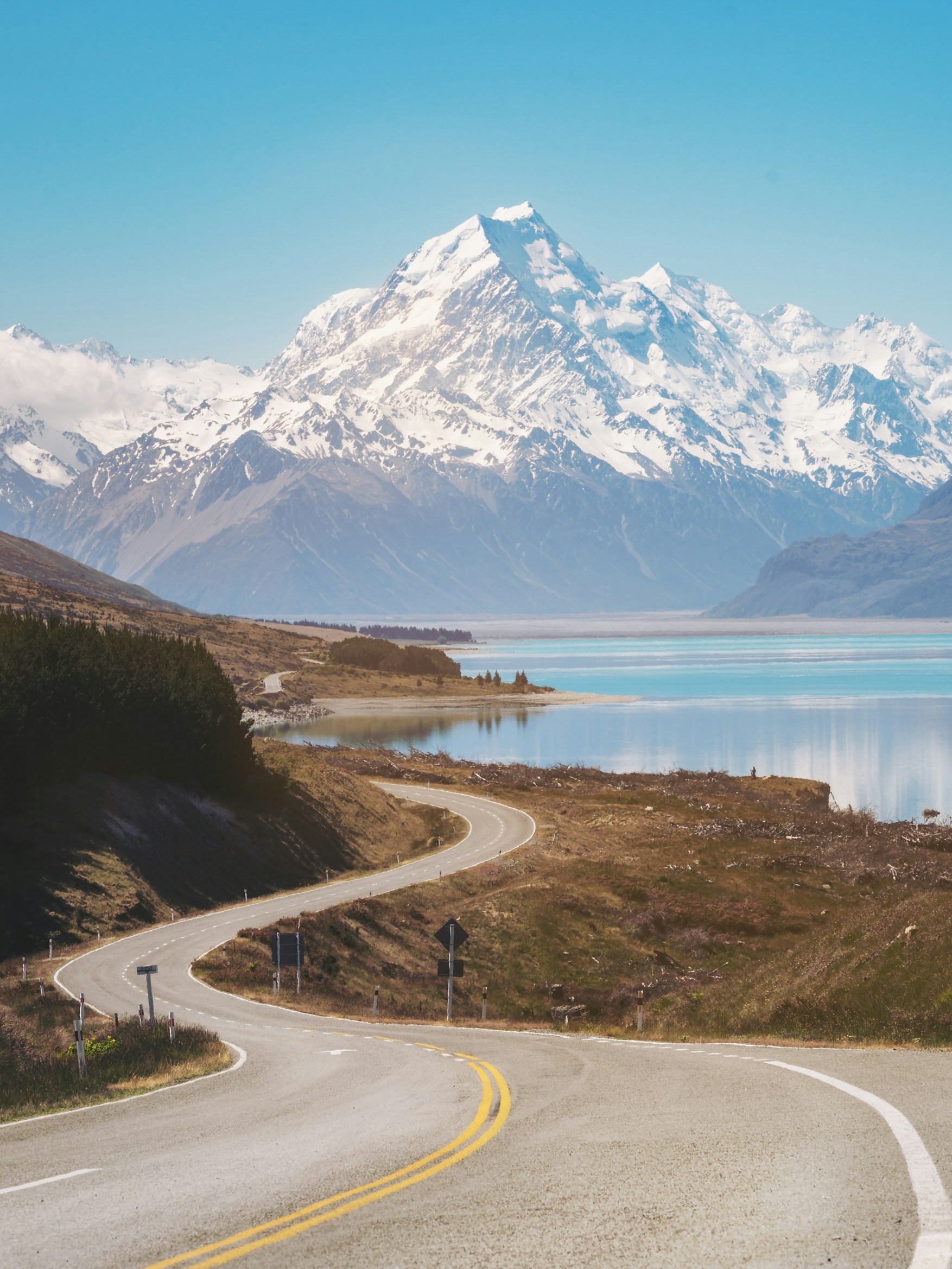
More photos on Instagram @upserra_ →
SEVEN COUNTRIES, ONE STORY
The Europe that hasn’t been tamed
The Balkans are the chapter of Europe where empires left their mark and the landscape still surprises. Kotor Serpentine with 25 switchback curves climbing the fjord. Tara Canyon in Durmitor, the second deepest canyon in the world. Plitvice Lakes, a UNESCO World Heritage Site. Mostar and Sarajevo, cities where recent history is still visible on the walls. D8 Road in Croatia, considered one of the most beautiful along the Adriatic coast.
In 12 days you cross the Austrian Alps, Croatia’s Mediterranean coast, the island of Hvar, the Kotor fjord, the Balkan mountains. It lights up in Munich with German engineering, runs through Adriatic splendor, dives into Eastern Europe’s scars, and returns through Italian Trieste. Every border changes the landscape, the food, the language — always accompanied by the right curve.
THE PACKAGE
What’s included
Included
- Latest-generation touring/adventure motorcycle (rental paid by UpSerra)
- 11 nights’ accommodation in superior-category hotels (3★/4★)
- Breakfast at all hotels
- Specialized UpSerra guiding
- Support vehicle with luggage transport and mechanical support
- Professional photography and filming
- Initial briefing in Munich
Not included
- International travel insurance (mandatory, arranged by the rider)
- International airfare (Brazil ↔ Munich)
- Fuel during the tour
- Meals beyond breakfast
- Tolls and ferries not included in the standard itinerary
- Motorcycle deposit and liability for the bike during the trip
- Optional activities (boat trips in Hvar, extra admission tickets)
- Personal expenses
- Tourist taxes and local fees — paid directly by the participant
The motorcycle rental is paid by UpSerra, but the deposit, supplementary insurance and liability for the bike during the trip are handled directly between you and the European rental company. UpSerra guides you through arranging it. International travel insurance needs to be arranged on your own. Not every policy covers motorcycle travel — UpSerra will guide you in choosing the right coverage.
Requirements
Documentation (World Standard)
- Valid passport (expiring after March 2028)
- Driver’s license category A, current (new-model Brazilian CNH — accepted by the partner European rental company)
- Local insurance: international travel insurance (medical coverage, repatriation, luggage) + supplementary motorcycle insurance via the rental company (CDW to reduce the deductible)
Other requirements
- International credit card with a minimum limit of EUR 2,500 for the motorcycle deposit + margin
- Experience on large motorcycles (700cc+) with comfort in technical curves — Grossglockner and the Kotor Serpentine have 25-36 consecutive switchback curves
- Own gear: helmet, armored jacket, riding pants, gloves, boots. September in the Balkans ranges from 12°C in the mountains to 28°C on the coast
- Be in Munich by Sep 2 — technical bike handover on the afternoon of Sep 2 + briefing dinner in the evening. Arriving beforehand is not optional: you need to receive the bike, review documentation and take part in the briefing before D1 departs (early Sep 3)
- Vaccination: none mandatory for the EU
RESERVE YOUR SPOT
Reserve your spot on the Balkans Tour 2028
Leave your details and our team will get in touch on WhatsApp to sort out payment and send the documentation. Response within 24 hours.
Reserve your spot
Fill out the form and UpSerra will get in touch to confirm availability and details for the Balkans, Sept 2028.
✓ We’ve received your registration!
The UpSerra team will get in touch soon via the WhatsApp number you provided.
Prefer to talk first? Send a WhatsApp message straight to the team →
Frequently asked questions
Is it hard to ride through the Balkans?
Moderate level. Good asphalt for almost the entire route. The Kotor Serpentine (25 curves) and Grossglockner are the most technical stretches — they require comfort in tight switchback curves. Adriatic coast stretches (D8) are wide, cinematic curves. Crossing multiple borders is part of the experience — UpSerra handles everything, but it does take time.
Is it cold in the Balkans in September?
September is one of the best times — mild temperatures, fewer tourists than peak summer. Adriatic coast 22-28°C. Mountains (Grossglockner, Durmitor): 12-18°C during the day, 5-8°C in the morning/evening. Layered gear is ideal. Rain is less frequent than in July/August.
What documentation do I need for this tour?
A valid driver’s license and passport. More specific guidance (translation, code 96, additional documents) is provided by the UpSerra team once your registration is confirmed.
How do the borders work in the Balkans?
The tour crosses 6 international borders — Germany → Austria → Slovenia → Croatia → Bosnia → Montenegro → Croatia → Bosnia → Italy → Germany. Some are intra-EU (fast), others (Bosnia, Montenegro) are outside the EU and require a short wait. UpSerra advises on documentation and organizes stops. In general, each crossing takes 15-45 minutes.
How does insurance work?
International travel insurance (NOT included): arranged by the rider, with medical coverage, repatriation and luggage. Not every policy covers motorcycle travel — UpSerra will guide you in choosing the right coverage. Motorcycle insurance (NOT included): arranged directly with the European rental company (CDW to reduce the deductible). UpSerra guides you when it’s time to sign.
Is Hvar worth the ferry?
Absolutely worth it. Hvar is one of the most beautiful islands in the Mediterranean. The free day there (D6) is designed for you to rest, hit the beach, eat Croatian food, optional boat trip around the Pakleni Islands. Anyone who’s never been leaves wanting to come back — Hvar is a destination in its own right.
How do I get to Munich?
Direct flights São Paulo–Munich with Lufthansa. Alternatives: connections via Frankfurt, Paris, Madrid. Book 4-6 months ahead. MUC airport is 40 minutes from downtown Munich.Important: arrival needs to be by the morning/afternoon of Sep 2 — technical bike handover is on the afternoon of the 4th and the briefing dinner is in the evening, ahead of D1 departing (early Sep 3).
Pricing
Complete package with a latest-generation touring/adventure motorcycle and full UpSerra logistics — payment in euros
| Option | Price |
|---|---|
| Rider without passenger (solo, 1 rider per motorcycle) | EUR 11,400 |
| Rider with passenger (couple, 2 people on the same motorcycle) | EUR 13,900 |
Payment method: check with the UpSerra sales team via WhatsApp.
Limited spots.
A tour with a small group to preserve the pace and the team’s full attention.
Reserve your spot by talking directly with our team.
@UPSERRA_ · #SOBREAMIGOSECAMINHOS